
 Posted by
 Let me start with a confession. When I first started looking into the cannabis industry, I thought insurance was just another boring line item on a spreadsheet. You know, something you buy because someone told you to. But then I talked to a dispensary owner in Colorado who nearly lost everything. He had a standard business policy – the same one you would get for a coffee shop or a boutique. Then a small fire broke out in his back storeroom.
Nothing major, just some smoke damage and a few lost products. When he filed the claim, the insurer said three words that still give me chills: “Denied due to federal illegality.” For cannabis businesses, standard policies often exclude coverage because the plant remains a Schedule I substance federally, meaning even a minor fire can become a total financial loss without proper cannabis insurance in place. That is when I realized this industry cannot afford to go unprotected.
Here is the thing. The cannabis industry operates in this weird, almost contradictory financial universe. You have got businesses handling massive piles of cash like, literal suitcases of money, because banks still get nervous. You have state laws saying “this is legal,” while the federal government says “absolutely not.” It is enough to give anyone a headache. So when you walk into a typical insurance agency and ask for coverage, what do you think happens? They might sell you a general liability policy.
They might nod and take your premium. But then comes the fine print. Most commercial property policies contain exclusions for any “illegal activity” under federal law. And since cannabis is still a Schedule I controlled substance? Well, you can connect the dots. Have you ever tried arguing with an insurance adjuster after a theft? I have not, but I have heard horror stories. They will use that federal loophole faster than you can say “claim denied.”
So what is the solution? You need insurance built from the ground up for this mess. I am talking about policies that understand a grow room is not the same as a wheat field. Property coverage for cannabis businesses has to address the weird stuff: plants that are worth more per pound than gold, harvested product drying on racks, extraction equipment that could explode if you look at it wrong, and cash reserves stacked in a safe because the credit card processors keep bailing.
And let us talk about product liability for a second. This is huge. What if a customer has a bad reaction because your labeling was off by a few milligrams? What if someone claims contamination from a pesticide you never even used? Without the right coverage, a single lawsuit could shut you down. I do not know about you, but that keeps me up at night.
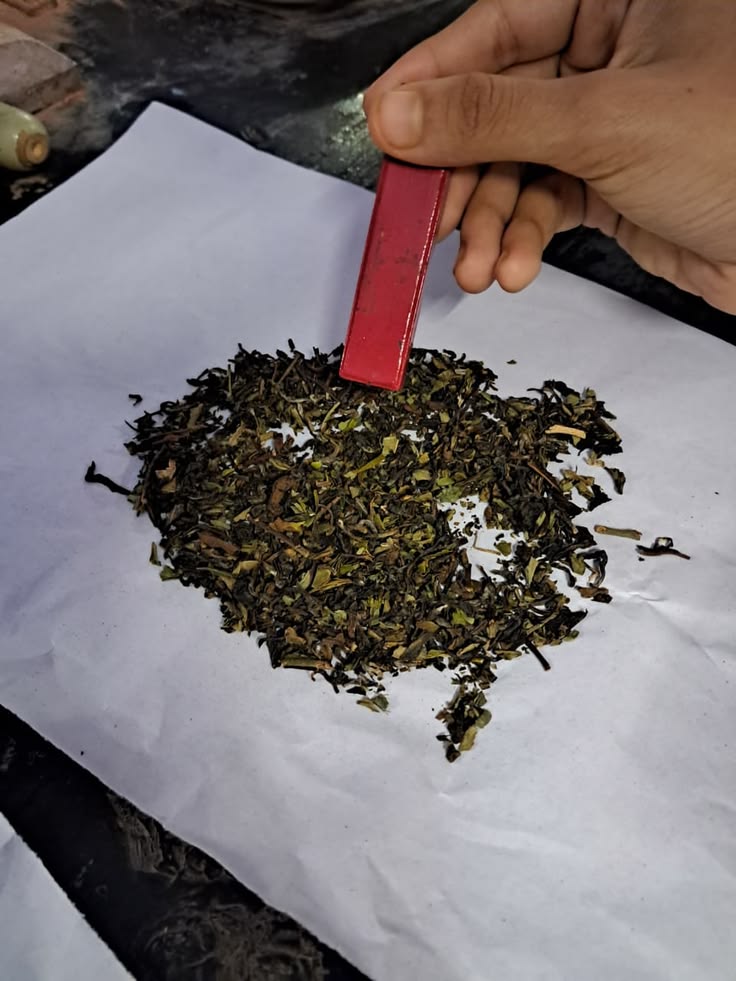
For the cultivators out there, listen up. Crop insurance deserves its own spotlight. Imagine spending months nurturing a crop of sticky, aromatic plants. You control the temperature, the humidity, the light cycles. Then one night, the power goes out because of a storm. Your backup generator fails. By morning, the entire harvest is covered in mold. A single lost harvest like that can destroy a small farm. I have seen it happen to a friend in Oregon. He lost over two hundred thousand dollars in potential revenue because of a faulty dehumidifier.
Some insurers now offer parametric crop policies. These pay out based on documented events like a power outage lasting more than twelve hours without requiring endless loss adjustment paperwork. For an industry where speed equals survival, that is a game changer. Is it perfect? No. But it is a whole lot better than eating the loss alone.
Here is another angle people forget. As the cannabis industry matures, it is attracting real institutional money. Investors want to see directors and officers liability coverage, or D&/O for short. This protects your leadership team if someone sues over a bad business decision. Maybe you hired the wrong security company, or a licensing issue comes back to bite you. Without D&O, your personal assets could be on the line. And then there is workers’ compensation every state that requires it does not care whether you sell cannabis or car parts.
Your employees are trimming plants, lifting heavy bags of soil, standing on concrete floors for hours. Repetitive motion injuries, back strains, exposure to cleaning chemicals is a real occupational risk. I cannot imagine explaining to a worker that they have no coverage after a greenhouse accident. That is just wrong.
The cannabis industry is not disappearing. More states legalize every year, and the federal landscape is shifting – slowly, painfully, but shifting. The insurance market for cannabis will deepen. More carriers will jump in. Competition will drive prices down and innovation up. But here is my honest advice. Do not wait until that perfect moment arrives. Businesses that build proper coverage into their operational model from day one will be the ones laughing five years from now. The ones that treat insurance as an afterthought?
They will be the cautionary tales I share with new entrepreneurs over coffee. So take a hard look at your policy. Ask the awkward questions. If your agent cannot tell you exactly how they handle a federal-state conflict, find another agent. Your business and your peace of mind depends on it. And hey, stay safe out there. The green rush is real, but so are the risks. Do not let a technicality steal everything you have built.
References
National Conference of State Legislatures. (2024). State medical cannabis laws. https://www.ncsl.org/health/state-medical-cannabis-laws
Insurance Information Institute. (2024). Cannabis and insurance. https://www.iii.org/article/cannabis-and-insurance
U.S. Drug Enforcement Administration. (2024). Drug scheduling. https://www.dea.gov/drug-information/drug-scheduling