

 Posted by
 Explore how energy exploration insurance protects oil, gas, and renewable energy projects from catastrophic risks. Learn about coverage types from drilling to liability for this high-stakes industry. The first time I stood on an offshore drilling rig, I was struck not just by its sheer scale, but by its profound vulnerability. This city of steel in the middle of the ocean was a monument to human ambition, yet it was utterly exposed to the whims of nature and the complexities of technology. Later, while reviewing the insurance portfolio for that very project, I understood the immense financial precipice on which such ventures operate. A single mechanical failure miles beneath the seabed, a sudden weather event, or a political shift in a host country could lead to losses totaling billions of dollars. This is the world of energy exploration insurance, a specialized and indispensable field that exists to make the impossible possible. It provides the financial backbone that allows companies to venture into the most remote and challenging environments on Earth in pursuit of the energy that powers our world.
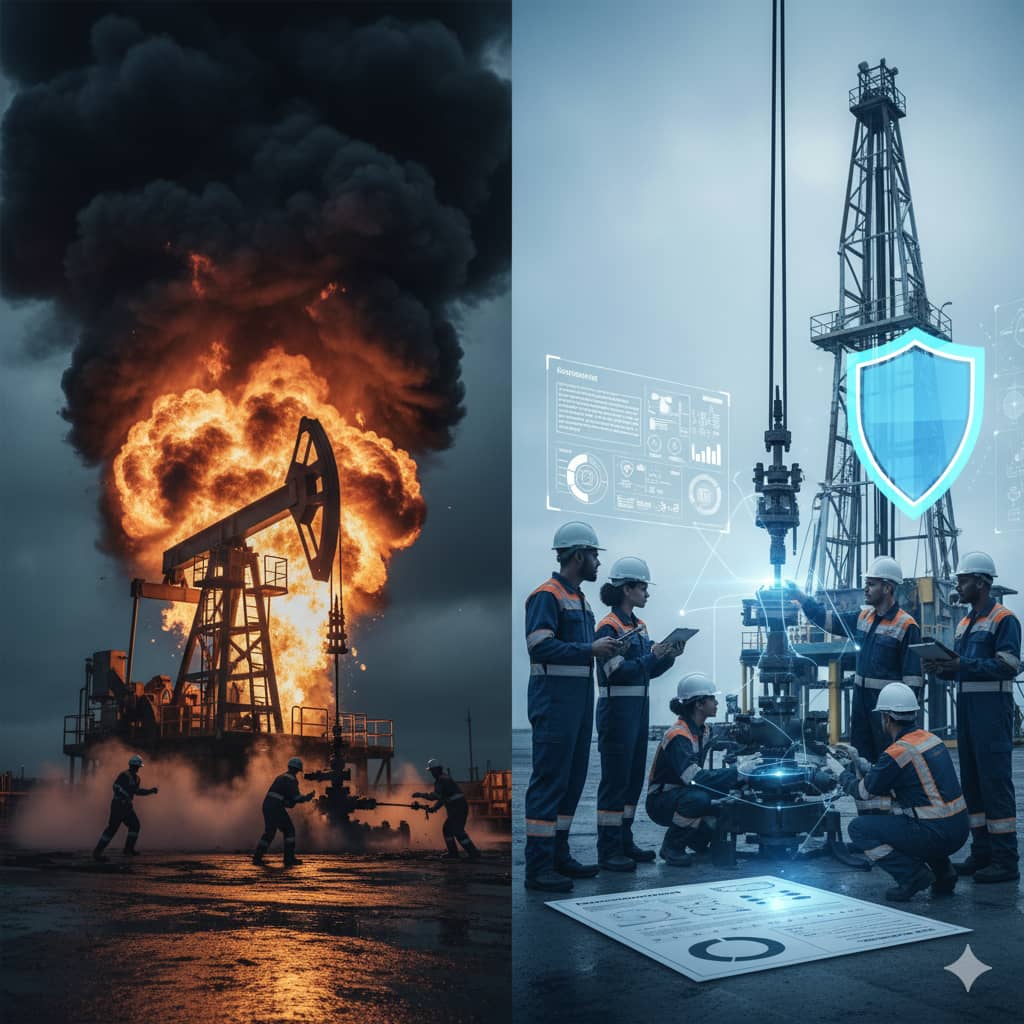
Energy exploration insurance is not a single policy but a sophisticated tapestry of coverages designed to address the unique and severe risks of the industry. The journey begins with seismic and geological survey coverage, which protects the massive investment in data collection long before a drill bit ever touches the ground. If the data proves faulty or is lost, this coverage responds. The cornerstone for drilling operations is Control of Well insurance, often called the most critical policy in the upstream sector. It covers the astronomical costs of regaining control of a well that has blown out or is otherwise out of control, including the expense of drilling a relief well, a process that can take months and cost hundreds of millions of dollars. Alongside this is Property Damage insurance for the physical assets themselves, the rigs, platforms, and equipment—against perils like hurricanes, collisions, and fire.
The risks, however, extend far beyond physical damage. The memory of major offshore disasters underscores the necessity of Third-Party Liability coverage. This protects the operator from claims arising from pollution, personal injury, or damage to third-party property, such as a pipeline rupture affecting a coastline. Furthermore, in an industry that operates across international borders, political risk insurance is a vital tool. It provides a financial backstop against losses from expropriation of assets, currency inconvertibility, or outright political violence in an unstable host country. For the immense capital invested in a project before it produces revenue, Operators Extra Expense coverage is crucial. It covers the fixed costs of maintaining a leased rig and crew while operations are suspended after a covered loss, preventing financial hemorrhage during downtime.
The landscape of this insurance is rapidly evolving as the global energy mix shifts. While coverage for traditional oil and gas exploration remains the bedrock of the market, a new frontier has emerged for renewable energy projects. The installation of massive offshore wind farms faces its own set of complex risks, from the challenging marine logistics of transporting turbine components to the unique technical risks of the turbines themselves. Insurers are now developing specialized products for construction, operational phases, and even cyber-attacks on a wind farm’s grid connection. Similarly, large-scale geothermal and carbon capture projects require customized underwriting to address their specific technological and environmental exposures. This evolution demonstrates that energy exploration insurance is not tied to a single fuel source, but to the fundamental process of harnessing energy from high-risk environments.
Securing this coverage is a deeply collaborative process between the energy company’s risk managers and specialized underwriters who possess a rare blend of engineering, financial, and geological expertise. The underwriters conduct a rigorous technical review of the project, assessing everything from the blowout preventer’s maintenance records to the meteorological data for the region. The premium is a direct reflection of this risk assessment, influenced by the project’s location, depth, technology, and the operator’s safety track record. For the energy companies, this insurance is not an optional expense; it is a prerequisite for securing financing and fulfilling regulatory requirements. It is the safety net that allows for innovation and progress, providing the confidence to invest in the technologies that will power our future, knowing that even in the face of a catastrophic loss, the company and its many stakeholders have a path to recovery. It is, in the truest sense, the fuel that enables the journey of discovery itself.
References
Chubb. (n.d.). Energy insurance. https://www.chubb.com
Insure24. (n.d.). Oil & gas equipment insurance: Exploration & production coverage. https://insure24.co.uk
Hilltop Insurance. (n.d.). Oil & energy insurance policy. https://hilltop-ng.com
Baldwin. (2025, September 25). What is energy business insurance & what does it cover? https://baldwin.com