

 Posted by
 Discover why crop insurance has become essential for modern farmers facing unpredictable weather, rising costs, and climate challenges in today’s agriculture. Walking through my neighbor’s cornfield last summer, I could not help but notice the patches of withered stalks scattered throughout what should have been a thriving crop. A late spring frost had done its damage, and despite all his careful planning and decades of experience, Tom was looking at a significant loss. The thing that kept him from complete financial devastation? Crop insurance. That conversation got me thinking about how many people outside of agriculture have no idea just how crucial this safety net has become for farmers across the country.
Farming has always been a gamble. You plant seeds in the ground and hope that nature cooperates for the next several months. But the stakes have gotten considerably higher in recent years. The cost of equipment, seeds, fertilizer, and labor has skyrocketed while weather patterns have become increasingly unpredictable. Climate change is not some distant threat for farmers. It is happening right now in their fields, and it makes agricultural insurance protection more important than ever before.
So what exactly is crop insurance? At its core, it operates like any other insurance policy. Farmers pay premiums to protect themselves against losses from natural disasters, adverse weather conditions, and revenue fluctuations. The federal government heavily subsidizes these programs, which makes them affordable for producers of all sizes. Without this support, most farmers simply could not afford adequate coverage, and the risk of farming would become untenable for many operations.

The thing about modern agriculture is that it requires massive upfront investments long before any income materializes. A farmer might spend hundreds of thousands of dollars on seeds, chemicals, fuel, and labor starting in early spring, but they will not see a dime of revenue until harvest time in the fall. If something goes wrong during those months, the entire investment evaporates. Agricultural risk insurance provides a crucial buffer against that worst-case scenario.
I remember talking to a wheat farmer in Kansas who experienced this firsthand. He had planted over a thousand acres, taken out operating loans to cover his costs, and was on track for a decent harvest. Then a hailstorm rolled through in July and shredded everything. Without farm revenue protection, he would have been looking at bankruptcy. Instead, his insurance policy covered most of his losses, allowing him to pay back his loans and plant again the next year. This is not just about protecting individual farmers. It is about ensuring the stability of our entire food supply chain.
The complexity of these insurance programs can be overwhelming. You have yield protection policies that guarantee a certain level of production. You have revenue protection that insures against price drops even if your yield is fine. Some policies protect individual crops while others cover your whole farm operation. Navigating all these options requires considerable expertise, and many farmers work with specialized agents who understand the agricultural sector inside and out.
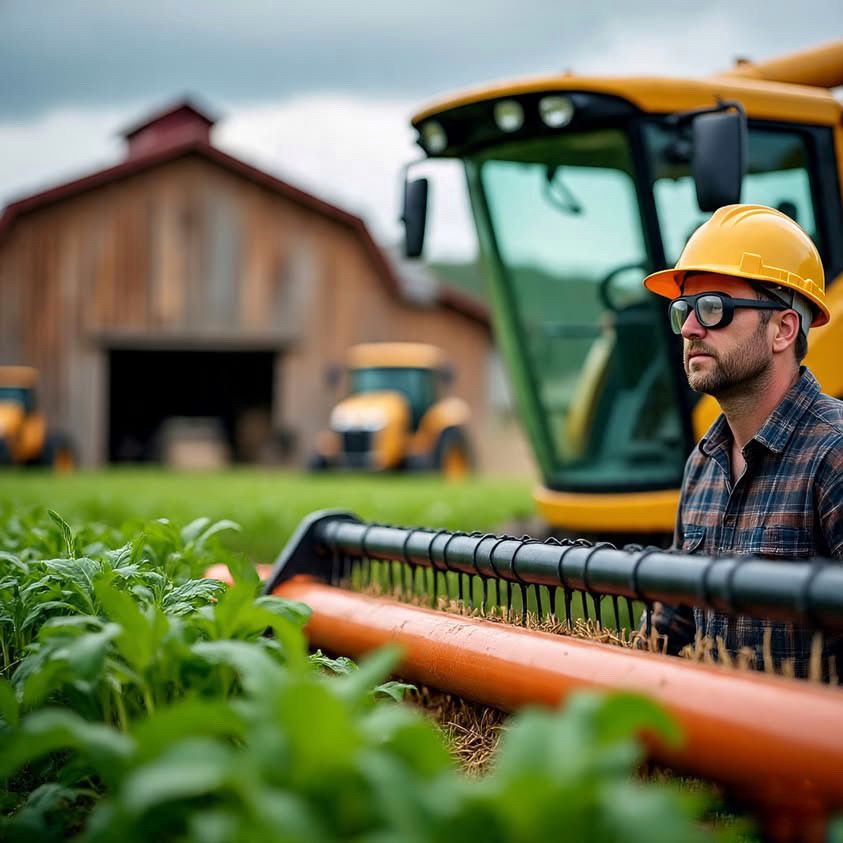
One aspect that surprises people is how data-driven the whole system has become. Insurance companies use satellite imagery, weather data, soil maps, and historical yield information to assess risk and set premiums. Some farmers now use precision agriculture technology that provides real-time data about their crops, which can help support claims and improve accuracy. The farm insurance industry has evolved dramatically from the days when an adjuster would simply walk through a field and estimate damage by eye.
Critics argue that crop insurance encourages risky farming practices or promotes cultivation in marginal areas that should not be farmed. These concerns deserve consideration, but the alternative seems far worse. Without insurance, farmers would likely take fewer risks, which could mean less innovation and lower overall production. The food security implications of widespread farm failures would be severe.
The drought that hit the Midwest a few years back demonstrated just how vital these programs have become. Entire regions saw dramatically reduced yields, and many farmers collected insurance payments that kept them solvent. Some of those farmers were third or fourth generation on the same land. Without crop protection programs, that legacy could have ended abruptly.
Looking ahead, I think we will see continued evolution in how agricultural insurance works. Climate change will require adjustments to risk models and coverage options. New technologies might enable more precise and responsive policies. The fundamental need will remain constant though. Farmers need protection against forces completely beyond their control.
Reference
United States Department of Agriculture, Risk Management Agency. (n.d.). Crop insurance in America. https://www.rma.usda.gov
United States Department of Agriculture, Economic Research Service. (2023). Agricultural Risk Coverage and Price Loss Coverage Programs. U.S. Department of Agriculture.
National Agricultural Statistics Service. (2024). Crop production and yield data. U.S. Department of Agriculture. https://www.nass.usda.gov/Publications/Todays_Reports/reports/cropan25.pdf