
 Posted by
 Learn about LRP, mortality coverage, and how the right policy can save your farm when disaster strikes. I grew up watching my grandfather pace the length of his barn on stormy nights. He would count his cattle in the dark the way some people count sheep before sleep, except for him it was not a calming ritual. It was anxiety made physical.
He had poured everything he had into that herd, and one bad season, one outbreak, one freak hailstorm, could have taken all of it. Nobody ever talked to him about livestock insurance. And honestly, that still bothers me. Farming has always been a gamble. Anyone who has spent real time around agriculture knows this.
But somewhere along the way, the financial tools available to farmers became sophisticated enough that losing an entire herd to disease or disaster no longer has to mean losing the farm itself. Livestock insurance exists precisely for that reason, and yet a surprising number of producers either do not carry it or do not carry nearly enough of it.
So what exactly is livestock insurance? At its core, it is a risk management policy that protects farmers and ranchers against financial losses tied to the death, injury, or theft of their animals. Policies can cover cattle, hogs, sheep, horses, poultry, and even more specialized animals depending on the insurer and the region.
The coverage typically kicks in when animals are lost due to accidents, illness, natural disasters, or in some cases, market price crashes. The specifics vary enormously, which is part of why so many producers end up underinsured without realizing it.
There are a few major types of livestock insurance worth understanding. Mortality coverage is the most straightforward. It pays out when an animal dies from a covered cause. Then there is Livestock Risk Protection, often called LRP, which is a federally backed program designed to protect producers against unexpected drops in livestock market prices.
Pasture, Rangeland, and Forage insurance, known as PRF, is another federally subsidized option that focuses on protecting against reduced rainfall and the resulting loss of forage productivity. Each one addresses a different kind of risk, and the most prepared farmers tend to layer multiple types of coverage rather than relying on just one.
I spoke with a cattle producer in Kansas a while back who told me he had always viewed insurance as money thrown away. His father had the same attitude. Then he lost fourteen head of cattle to a respiratory illness in a single week. The vet bills alone were staggering, and that did not even account for the lost animals themselves.
After that experience, he signed up for both mortality coverage and LRP. He told me it was the first time in years he slept through a storm without waking up to check on the herd. That might sound small, but anyone who has lived with that kind of financial exposure understands what peace of mind is actually worth.
The federal livestock insurance programs administered through USDA Risk Management Agency have expanded significantly in recent years. The Livestock Forage Disaster Program and the Livestock Indemnity Program are two additional safety nets available to producers who experience losses from drought or qualifying weather events. These are not the same as private insurance policies, but they work alongside them, and understanding how to use both can be the difference between recovering from a disaster and being wiped out by one.
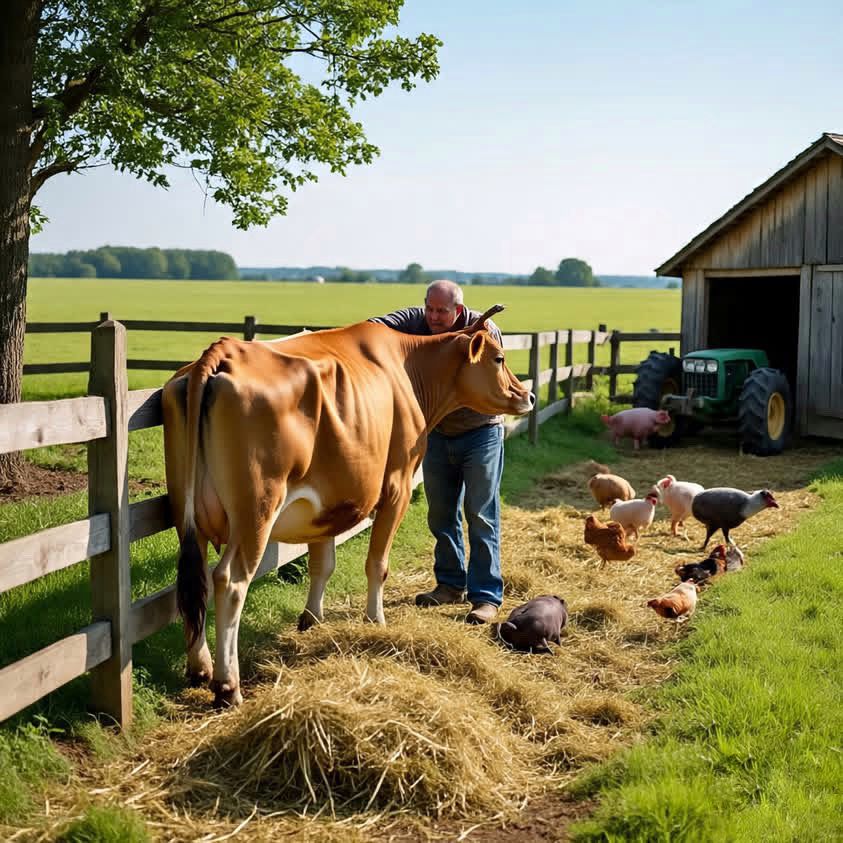
One thing that catches a lot of producers off guard is the role of documentation in filing a livestock insurance claim. Detailed records of animal purchases, veterinary visits, breeding histories, and inventory counts matter enormously when it comes time to prove a loss. I have heard from insurance adjusters that incomplete records are one of the most common reasons claims get delayed or reduced. Keeping a solid paper trail is not glamorous work, but it is part of what separates a farmer who recovers quickly from one who spends months in a dispute with an insurer.
Cost is obviously a factor. Livestock insurance premiums can feel steep, especially for smaller operations already working on thin margins. But the math tends to favor coverage when you run it out honestly. A single cattle mortality event can cost anywhere from a few thousand to tens of thousands of dollars depending on the breed and the size of the loss.
A solid mortality policy for a mid-sized herd might cost a fraction of that annually. And for operations with significant market exposure, LRP coverage has saved producers from devastating price swings that were completely outside their control.
What I keep coming back to is that livestock insurance is not really about pessimism. It is about giving yourself a fighting chance. My grandfather did not have that option spelled out clearly for him. But the farmers and ranchers working today do, and there is something worth taking seriously in that. The risk management landscape in agriculture has matured to the point where losing everything to a single catastrophic event is, in many cases, a choice, not an inevitability. That is a remarkable thing, actually. And it is worth treating it like one.
Reference
U.S. Department of Agriculture – Risk Management Agency. (2023). Livestock Risk Protection (LRP) Insurance Policy. USDA RMA. https://www.rma.usda.gov/Policy-and-Procedure/Insurance-Plans/Livestock-Risk-Protection
U.S. Department of Agriculture, Risk Management Agency. (2023). Pasture, rangeland, and forage (PRF) insurance. https://www.rma.usda.gov/Policy-and-Procedure/Insurance-Plans/Pasture-Rangeland-Forage
U.S. Department of Agriculture, Farm Service Agency. (2023). Livestock Indemnity Program (LIP). https://www.fsa.usda.gov/programs-and-services/disaster-assistance-program/livestock-indemnity