

 Posted by
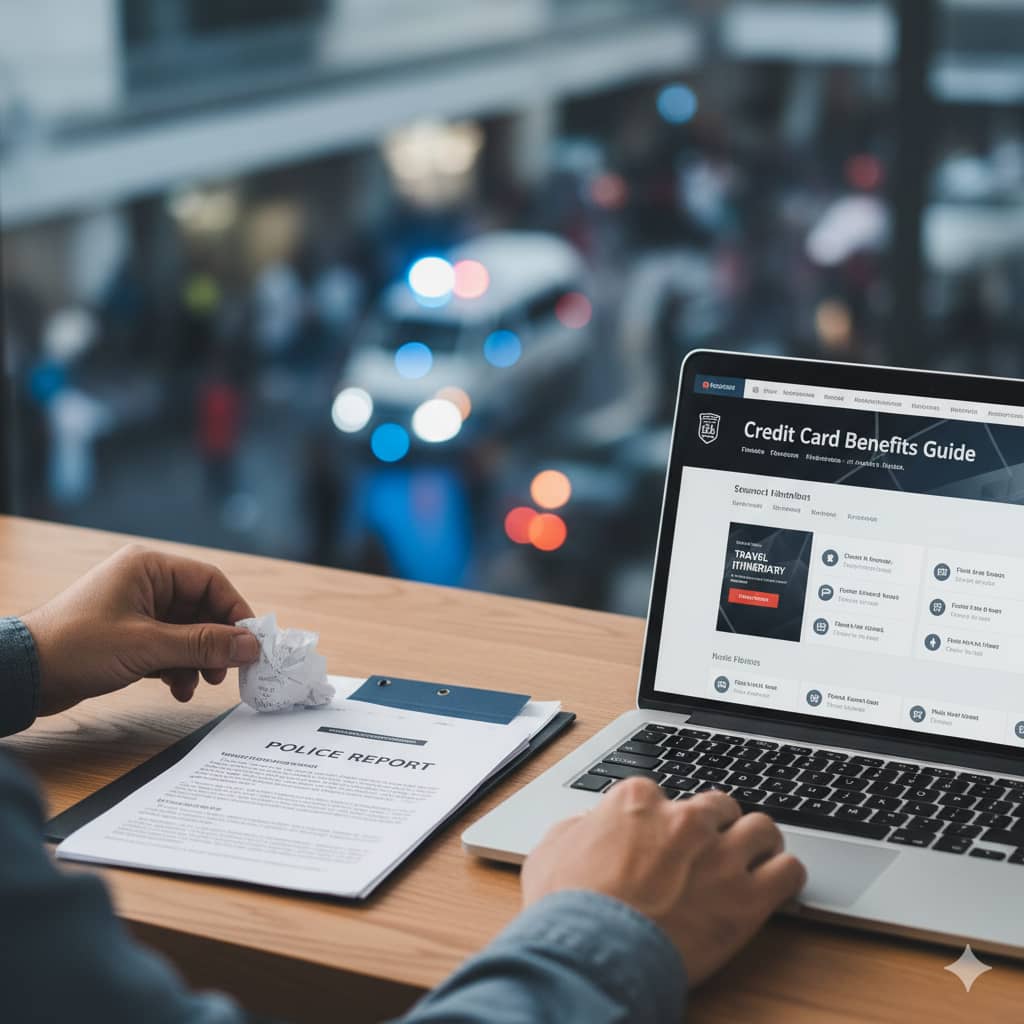
 I used to view credit card insurance as a mysterious fine-print perk. A canceled flight and a stolen laptop taught me its true value and its important limitations. This is my journey to understanding the protector living in my wallet. I will admit, for the longest time, the offers of “payment protection” or “cell phone insurance” that arrived with my credit card statements went straight into the recycling bin. They felt like a vague sales pitch, an unnecessary cost for a hypothetical disaster. My perspective was fundamentally shifted by two events in a single, unfortunate year. First, a family emergency forced me to cancel a non-refundable flight. Then, months later, my laptop was stolen from a coffee shop. In my moment of panic, I remembered a passing mention of benefits on my premium credit card’s website. With low expectations, I began the process of filing claims. That journey through fine print, documentation, and customer service lines was an education. I learned that credit card insurance is not a monolithic product, but a collection of distinct, often valuable protections. More importantly, I learned that its true power is unlocked only when you understand exactly what it covers, and more critically, what it does not.
The most common and, in my opinion, one of the most valuable forms of this protection is rental car insurance. When you use your eligible credit card to pay for a rental and decline the collision damage waiver from the rental company, the card often provides primary or secondary coverage for damage to or theft of the vehicle. This single benefit has saved me hundreds of dollars over the years. I learned the hard way, however, to always call the card issuer and confirm the specific terms. Some cards are primary, meaning they pay out first before your own auto insurance. Others are secondary, only kicking in after your personal policy has been exhausted. Furthermore, there are almost always exclusions for certain types of vehicles, like expensive sports cars or large trucks, and for damage to certain parts, like tires or windows. Knowing these details transforms this benefit from a hopeful assumption into a strategic financial tool.
Another critical layer of protection comes in the form of travel insurance benefits, which were my salvation during that family emergency. Many premium cards automatically include trip cancellation and interruption insurance, as well as lost luggage coverage. When my flight was canceled, I was able to recoup the cost of the tickets because the reason for my cancellation was covered under the policy’s definition of a covered emergency. It was not a seamless process. It required meticulous documentation: a doctor’s note, the original booking confirmation, the cancellation notice from the airline, and a completed claim form. The laptop theft, meanwhile, fell under a different category often called purchase protection or personal effects coverage. This benefit typically covers new purchases against theft or damage for a limited period, usually 90 to 120 days. Again, the devil is in the details. There are limits per claim and per year, and certain high-value items like jewelry or antiques may be excluded. This experience taught me that these benefits are not a blank check; they are a contractual agreement that requires you to hold up your end with proper evidence and a clear understanding of the rules.
Perhaps the most misunderstood coverage is what is traditionally called credit card payment protection insurance. This is a separate, often paid product that promises to make your minimum monthly payments if you become disabled, unemployed, or pass away. I looked into this extensively after my initial claims, and I decided it was not for me. The cost, often a monthly fee based on your balance, can add up significantly over time. The conditions for qualifying are notoriously strict; being “unemployed” might not count if you are a contractor, and “disabled” often means completely unable to perform any job, not just your own. For most people, a robust emergency fund is a more flexible and cost-effective solution than this specific type of insurance. It is crucial to distinguish these paid programs from the valuable built-in benefits like rental car or travel insurance that come with many cards at no extra charge.
Navigating this world ultimately comes down to one thing: becoming a student of your own cardholder agreement. The glossy brochure promises peace of mind, but the legal document outlines the specific path to obtaining it. I now have a simple, one-page document for each of my primary credit cards. On it, I have written the key benefits: the rental car coverage type and limit, the travel insurance provider’s phone number, the purchase protection time frame, and the procedure for filing a claim. This small investment of time has paid for itself many times over. Credit card insurance is a powerful tool, but it is not a magic wand. It will not cover every conceivable loss, and it demands diligence from the user. It is a safety net, but you must know where it is hung, how much weight it can hold, and the precise steps to take if you ever need to fall into it. Do not let it remain a mystery in your wallet. Unlock its potential by reading the fine print, because the day you need it, you will not have time to learn the rules.
References:
Bankrate. (2025, June 22). Credit cards that offer purchase protection. https://www.bankrate.com/credit-cards/advice/purchase-protection/
NerdWallet. (2021, January 31). Purchase protection: Which credit cards cover your belongings. https://www.nerdwallet.com/credit-cards/learn/credit-card-purchase-protection
Experian. (2024, November 21). Credit card protections and insurance for 2025. https://www.experian.com/blogs/ask-experian/credit-card-protection-and-insurance-trends/
American Express. (2019, December 31). Credit card purchase protection terms, claims & policies. https://www.americanexpress.com/us/credit-cards/features-benefits/policies/purchase-protection-terms.html
Visa. (2025, August 20). Protect what matters – Visa personal insurance coverage. https://www.visa.com.ng/pay-with-visa/benefits-and-offers/personal-insurance.html