

 Posted by
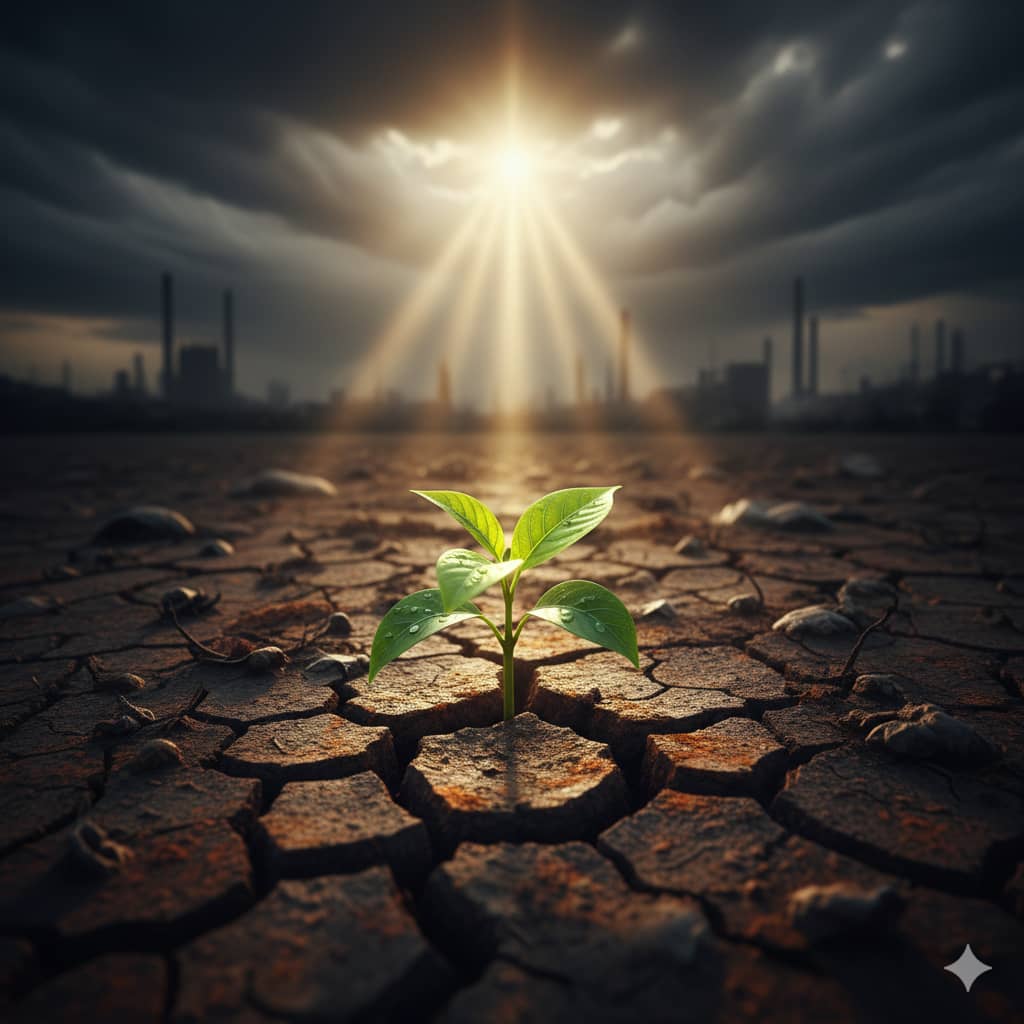
 I had insured my business against fire and theft, but I never considered the silent, creeping threat of contamination. This is my story of discovering a critical coverage gap that protects against the pollution you do not intend to create. I have always considered myself a prudent business owner. My manufacturing facility was equipped with the latest safety protocols, my employees were thoroughly trained, and my insurance portfolio was, I believed, comprehensive. I was protected against the disasters I could visualize: the roaring factory fire, the devastating break-in, the customer slipping on a wet floor. My confidence was built on the belief that I could see the threats to my enterprise. That belief was fundamentally challenged not by a dramatic explosion, but by a slow, insidious seepage. A underground storage tank, which I had inherited with the property and had largely forgotten, had been leaking a chemical solvent for months, perhaps years. The discovery was accidental, found during a routine municipal water survey. The panic I felt was not of a sudden loss, but of a profound, creeping liability. My general liability policy, I soon learned, contained a standard pollution exclusion. The very word “pollution” had conjured images of industrial smokestacks, not a small, hidden leak on my property. I was facing a six-figure cleanup and third-party liability claims, completely uninsured. That was my brutal introduction to the absolute necessity of contamination insurance.
Contamination insurance, often called pollution legal liability insurance, is a specialized policy designed to fill the cavernous gap left by standard commercial policies. It is not for the massive, headline-grabbing environmental disasters caused by oil conglomerates. It is for the quiet, accidental contaminations that can bankrupt a small or mid-sized business like mine. This coverage is built for the real-world scenarios we rarely consider. It responds to first-party costs, meaning the direct expenses I incur to clean up my own property. The policy would have covered the astronomical cost of the soil remediation, the groundwater testing, and the disposal of the hazardous waste. This alone would have been a lifesaver. But the coverage extends further, into the even more terrifying realm of third-party liability. If that chemical solvent had migrated off my property and contaminated a neighboring well or a local water source, I would have been liable for their damages, their medical costs, and their legal fees. Contamination insurance provides a defense and covers those liabilities, protecting the business itself from annihilation.
The true scope of this insurance, however, goes far beyond leaking tanks. As I delved into the policy details during my frantic search for a solution, I realized how many businesses are exposed. Consider a simple scenario: a painting contractor accidentally spills a large quantity of lead-based paint remover in a client’s basement, requiring a professional hazardous materials team for cleanup. His general liability policy would likely deny the claim. A restaurant experiences a heating oil leak from its bulk tank into the surrounding soil. A dry-cleaning business discovers that decades of standard operations have led to perc contamination in the groundwater. Even a seemingly low-risk operation like a logistics company could face a claim if a tanker truck they hired overturns and spills a hazardous material. My own tunnel vision had prevented me from seeing that contamination is not an industry-specific problem; it is a risk inherent in the modern use of property and the materials required to run a business. This insurance is for anyone who stores, uses, or transports materials that could harm the environment if they were accidentally released.
Securing this coverage after my incident was a difficult and expensive lesson. The underwriting process was intensely rigorous, and it forced me to become an expert on my own environmental footprint. The insurer required a full environmental site assessment of my property. They scrutinized my chemical storage procedures, my waste disposal contracts, and my emergency response plans. This process, while arduous, was ultimately a gift. It compelled me to implement a level of operational discipline I never knew I needed. I installed secondary containment systems for all my chemical storage areas. I established a rigorous inspection and maintenance schedule for all my equipment. I trained my employees on spill response protocols. I was no longer just buying insurance; I was fundamentally de-risking my business. The premium I now pay is not merely a cost; it is an investment in a system of prevention, backed by a financial guarantee that my company can survive an environmental mistake.
The leak on my property is now fully remediated. The financial and emotional toll was immense, a shadow that hung over my business for years. That single, forgotten tank taught me more about risk management than any business seminar ever could. I learned that the most dangerous threats are not always the loud and obvious ones. They are the quiet, patient ones that work their way into the foundation when you are not looking. My general liability, property, and umbrella policies are still in place, but they are now part of a complete picture. The contamination policy sits alongside them, no longer an obscure product, but a foundational component of my business’s defense. It is the acknowledgment that my responsibility extends beyond my four walls and into the soil and water below. It is the peace of mind that comes from knowing I have planned for the spill I never saw coming, the unseen accident that could have ended everything.
References:
Distinguished. (2023, May 24). Environmental insurance: Costs & coverages and why your clients need it. https://distinguished.com/blog/environmental-insurance-costs-coverages-and-why-your-clients-need-it/
Washington State Department of Ecology. (2022). Contaminated property considerations: Focus on real estate transactions. https://apps.ecology.wa.gov/publications/documents/2209021.pdf
DUAL Insurance. (2025, February 28). Product contamination insurance coverage & benefits. https://www.dualinsurance.com/uk-en/products/crisis-management/product-contamination
Cornejo, R. (2007). What does “contamination” mean? The Second Circuit’s interpretation. *Journal of Environmental & Sustainability Law*. https://scholarship.law.missouri.edu/cgi/viewcontent.cgi?article=1313&context=jesl
Restorical. (2025, August 11). A complete guide to environmental pollution insurance. https://restorical.com/environmental-pollution-insurance/