
 Posted by
 I can still smell the ozone in the air and see the twisted, blackened patch of earth. It was the summer I turned fourteen, spending my days as usual on my uncle’s ranch. A single, freak afternoon storm rolled in, and a lightning bolt found its mark. Just like that, twelve of his best steers were gone. The financial gut-punch from that one event lasted for years.
He did not have livestock insurance, believing his luck and hard work were enough. Watching him rebuild taught me a brutal, early lesson: these animals are not just livestock; they are the life savings and the retirement fund, the entire operational heartbeat of a farm. Securing your herd with a tailored livestock insurance policy is not an expense; it is a critical investment in your farm’s future and peace of mind. I carry that lesson with me every single day.
You know as well as I do that farming is a dance with uncertainty. While other businesses worry about market shifts, we are up at 3 a.m., wondering if that cough is the start of a disease outbreak that could wipe out a herd by week’s end. We watch the horizon for storms that can bring flood, wind, or worse. An individual animal worth thousands can be lost to a simple accident. It is a level of risk that would keep most CEOs awake at night, yet so many of us operate without a true financial safety net. Why is that? Sometimes it is the belief that “it won’t happen to me,” other times it is the assumption that farm risk management tools like livestock mortality insurance are too complex or expensive.
I am here to tell you, from hard-won experience, that is a gamble I no longer take. Thankfully, the world of livestock insurance has grown and diversified. It is not just a one-size-fits-all policy. Many folks start by looking at federal options, which is smart. The USDA, for instance, runs programs like Livestock Risk Protection LRP. This is a brilliant tool that has nothing to do with an animal’s health and everything to do with your financial health. It lets you lock in a price for your cattle or swine, protecting you if the market decides to plummet before you sell.
Think of it as a helmet for your income statement. Then, of course, there is the core coverage most folks need: mortality insurance. This is the policy that would have saved my uncle a world of hurt. It covers the unthinkable death from perils like lightning, a painful memory, fire, or even accidents. You can often add on theft or specific disease coverage, but you have to read the fine print. I cannot stress this enough: the devil is absolutely in the details here.
Does it cover the cost of humane destruction if needed? What about disposing of the carcass? Asking these grim questions upfront is what separates a policy that looks good on paper from one that actually holds up in your darkest hour. Now, I can see you wondering about the cost. I did too. The truth is, affordable livestock coverage is more accessible than you might think.
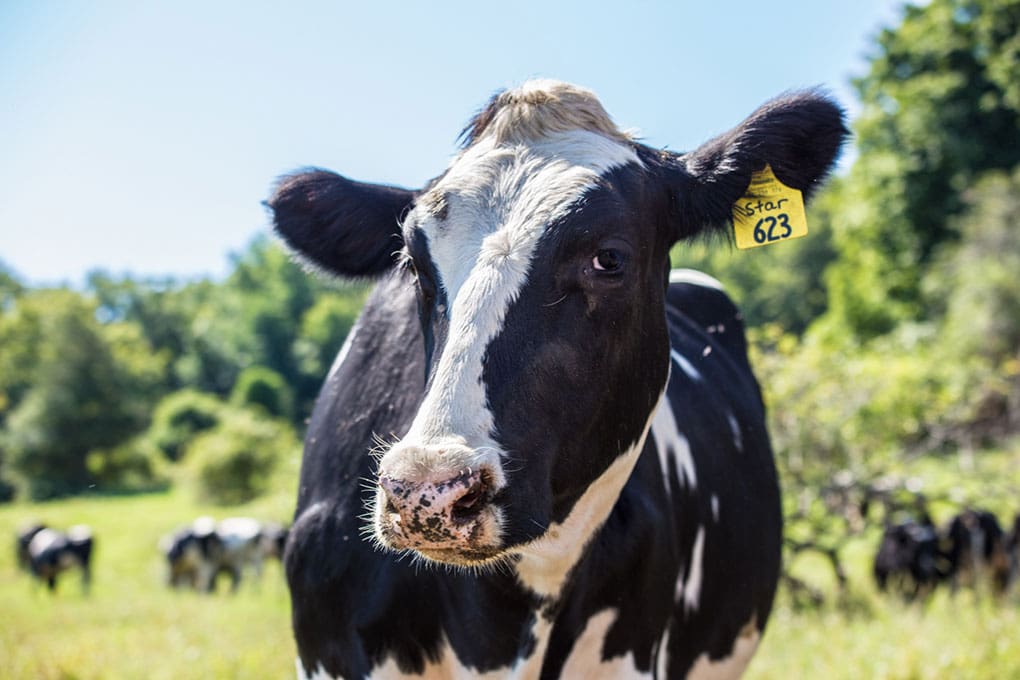
For commercial animals like beef cattle, the premium is often a tiny fraction of the animal’s value, think fifty bucks a year for a two-thousand-dollar cow. When you run the numbers on a potential loss, the math starts to make compelling sense. Of course, insuring a high-value dairy bull or a performance horse is a different conversation, requiring specialized equine mortality insurance or tailored plans.
The key is to talk to an agent who understands your specific niche, whether you are raising poultry, sheep, or even alpacas. Beyond basic mortality, private insurers offer a mosaic of options. You can find policies for veterinary expenses up to a certain limit, or “named peril” plans that let you customize for the biggest threats in your area. This is where your own farm risk management plan comes in. Is hail your biggest worry? Are predators a constant threat? Build your coverage around your reality, not just a generic checklist. Here is a practical piece of advice that saved me during a claim: document everything.
I mean it. Your insurer will need proof of ownership and value, such as ear tags, registration papers, photos, and vet records. I keep a dedicated folder, digital and physical, for this. It feels tedious until you need it, and then it is worth its weight in gold. This process is not the company being difficult; it is what keeps the system honest and premiums stable for everyone. So, is livestock insurance right for every single operation? Honestly, no. If you have the deep reserves to absorb a catastrophic loss and rebuild without blinking, you might choose to self-insure. But for most of us, for the family farms and the mid-sized operations where every animal counts toward the bottom line, that annual premium buys something invaluable: sleep.
It means when the sky turns that sickly green and the sirens blare, your first thought can be for your family’s safety, not just the crushing financial ruin waiting in the pasture. The land and the weather do not care about our mortgages or our dreams. A disease does not check your equity before it strikes. What we can control is how we prepare for those blows. Protecting your herd with a solid livestock mortality insurance policy is not admitting defeat to fate; it is the strategic move of a savvy business owner who plans to be here for the long haul, season after unpredictable season.
References
United States Department of Agriculture Risk Management Agency. (2024). “Livestock Risk Protection Insurance Policy.” https://www.rma.usda.gov
National Agricultural Statistics Service. (2023). “Livestock and Animals Report.” U.S. Department of Agriculture.
American Farm Bureau Federation. (2024). “Guide to Livestock Insurance Coverage Options.” https://www.fb.org