
 Posted by
 I remember the first time I realized my grandfather’s 1967 Mustang needed different insurance than my daily driver. I was helping him sort through paperwork when he mentioned paying less for his prized possession than I was paying for my seven-year-old sedan. That seemed backward until he explained the world of vintage car insurance to me, and suddenly everything made sense. Discover why classic cars need specialized vintage car insurance with agreed value coverage, lower premiums, and policies designed for collectors and enthusiasts.
Most people assume insurance is insurance, right? You call up your regular provider, add the classic car to your policy, and you are good to go. But here is the thing that caught me off guard: standard auto insurance policies are built around the idea that your car loses value the moment you drive it off the lot. Anyone who has ever owned a classic car knows that is not how it works. That 1972 Porsche 911 sitting in your garage is probably worth more today than it was five years ago, and it will likely be worth even more five years from now.
The fundamental difference with vintage car insurance comes down to how these vehicles are valued. When I finally got around to properly insuring my own classic car project, a 1955 Chevrolet Bel Air that I had been restoring for three years, the insurance agent walked me through something called agreed value coverage. Instead of the depreciation model that standard policies use, agreed value means you and the insurance company decide upfront what your car is worth. If something happens to it, that is what you get. No arguments about market value or depreciation schedules. You have probably spent countless hours and serious money on restoration work, and this type of coverage actually recognizes that.
Finding the right vintage car insurance policy requires thinking about how you actually use your classic vehicle. I learned this the hard way when I assumed my weekend cruiser would fall under the same guidelines as my buddy’s show car that never sees rain. Insurance companies typically want to know your annual mileage, whether you have another vehicle for daily transportation, and how you store your classic when you are not driving it. These factors matter because they directly impact risk, and lower risk means lower premiums.
The mileage restrictions initially worried me because I love taking my Bel Air out for drives along the coast. But most classic car insurance policies are surprisingly reasonable about this. Many allow between 2,500 and 5,000 miles per year, which sounds limiting until you do the math. That is enough for regular weekend drives, a few car shows, and maybe a road trip or two. The key is being honest about your usage because trying to game the system can leave you without coverage when you need it most.
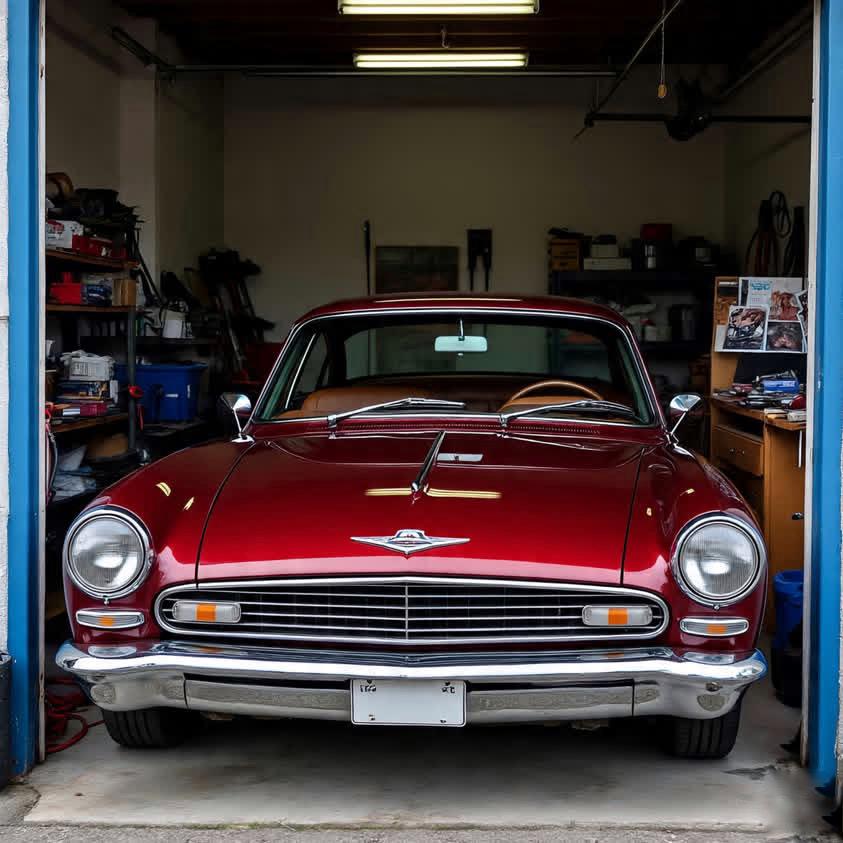
Storage requirements represent another area where vintage automobile insurance differs from standard coverage. When I first started shopping around, several insurers asked detailed questions about my garage setup. Did I have a locked garage? Was it attached to my house or separate? Did I have a security system? One company even wanted to know if other vehicles shared the space. At first, this felt invasive, but it makes sense when you consider that proper storage significantly reduces theft risk and weather damage. Plus, meeting these requirements often translates into better rates and more comprehensive coverage options.
The cost of insuring a classic car often surprises people, though not always in the way you might expect. My annual premium for full coverage on my Bel Air runs about sixty percent less than what I pay for my modern car, despite the classic being worth considerably more. This happens because insurance companies understand that classic car owners treat their vehicles differently. We are not rushing through traffic during morning commutes or parking in crowded lots where door dings happen. We drive carefully, maintain our vehicles meticulously, and generally present a lower risk profile than the average driver.
Specialized classic car insurance providers also tend to understand the community better than mainstream insurance companies. When I had questions about coverage for car show participation or whether my policy would cover me during a multi-state vintage car rally, my agent knew exactly what I was talking about. These companies often employ people who are genuinely enthusiastic about classic cars, which makes the entire process feel less like a transaction and more like a conversation between enthusiasts.
Reference.
National Highway Traffic Safety Administration. (2022). Federal motor vehicle safety standards regulations for replica and low-volume vehicles.
National Highway Traffic Safety Administration. (n.d.). Statutes, regulations, authorities & Federal Motor Vehicle Safety Standards. U.S. Department of Transportation.
U.S. Department of Transportation. (n.d.). Safety analysis tools and National Roadway Safety Strategy. https://www.transportation.gov/grants/dot-navigator/safety-analysis-tools