

 Posted by
 Let me ask you something. When was the last time you actually laid in bed at night and worried about your income disappearing for six months? Probably never, right? Most of us are too busy stressing about car repairs or that weird noise the water heater is making.
Here is the truth I have learned the hard way by watching friends stumble. Ask most working adults what coverage they have, and you will hear a list: health insurance, car insurance, maybe a life insurance policy. But disability insurance? It rarely makes the cut. And that is wild to me, because the financial risk here is arguably more common and way more financially destructive than a fender bender or even a heart attack (which your medical plan would cover, by the way).
I remember sitting with a buddy of mine named Dave. He is a plumber. Strong guy, never misses a day of work. Then he messed up his back. Not a dramatic accident, no ladder falls or explosions. Just years of twisting under sinks finally caught up with him. He had health insurance for the MRI, sure. But the six weeks he spent on the couch unable to work? His mortgage did not care about his bulging disc. That is when I realized disability income protection is not about being paranoid. It is about keeping the lights on when your body decides to betray you.
I have been thinking a lot about financial blind spots lately, and honestly, disability insurance is the safety net most of us do not realize we are missing until the paycheck actually stops. I am not going to throw a bunch of boring numbers at you just for fun. But I do want to share one stat that genuinely scared me straight. The Social Security Administration says that about one in four workers in the United States will face a disability lasting three months or longer before they hit retirement age.
Think about that for a second. That is not a freak accident. That is sitting in a room with four coworkers and realizing one of you is statistically cooked. And the causes are not what you expect. We think of car wrecks or construction falls. But in reality, it is cancer, cardiovascular disease, messed up backs, and mental health conditions. Ordinary, boring, horrible illnesses. Not rare misfortunes.
So why do we ignore this? I think it is because nobody wants to imagine themselves as “disabled.” It feels like a word that happens to other people. But disability just means you cannot do your job. If you are a writer like me and you get a tremor in your hands, or you are a cashier and your knees give out, that is it. The paycheck stops.
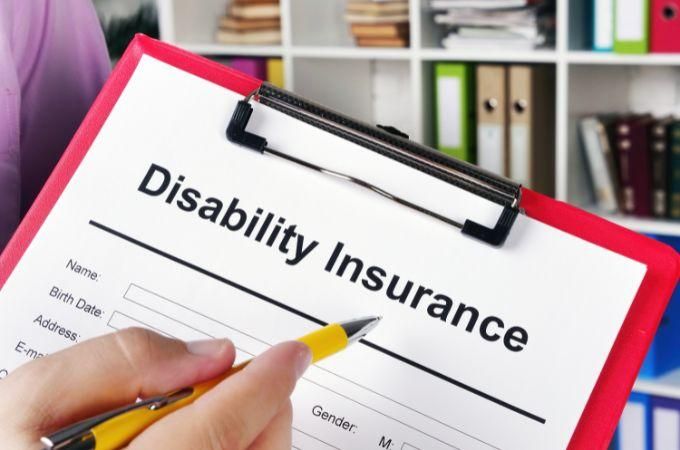
Here is where people mess up. They see “disability” on a work benefits form and just check the box. But there is a massive difference between short-term and long-term coverage. Short-term disability insurance usually covers three to six months. It is fine for a broken leg or recovering from a surgery.
Honestly, it is better than nothing. But a six-month benefit does not do jack for someone managing a chronic condition like long COVID or recovering from a stroke that requires a full year of rehab. That is where long term disability insurance comes in. This form can extend for years or even until retirement age. It is the real shield.
Here is a personal reflection for you. My employer offers a group policy. For years I thought, “Great, done.” Then I actually read the fine print. It replaces sixty percent of my base salary. But guess what it excludes? My bonuses. My freelance income. The side hustle that pays for my vacation fund. For professionals like physicians, attorneys, or skilled tradespeople, that gap between group coverage and actual income can be huge. You are left with a check that barely covers the basics.
I am going to get a little nerdy here because this saved a surgeon I know. There is a concept called “own occupation.” Let me explain it simply. A surgeon injures their hand. They cannot operate. But technically, they could still teach medical students or answer phones at a clinic. An any-occupation policy would say, “Go get a desk job, we are not paying.” An own-occupation policy says, “You are a surgeon. You cannot perform surgery. Here is your check.”
You want the second one. Trust me on this. If you have a specialized skill and most of us do, even if it is just managing a complex spreadsheet or driving a delivery truck you need a policy that respects what you actually do. One more thing. The window to buy this stuff cheap is small. It is smaller than you think. For a deeper dive on how to compare actual policy rates, check out this reference link on independent agents.
Premiums are drastically lower when you are young and healthy. I waited until I was thirty-five. When I finally applied, I had a minor anxiety disorder on my record from college and my rate went up by fifteen percent. Do not wait until you feel “financially ready.” That is a costly mistake.
Look, I do not love paying the premium every month. Nobody does. But I sleep better knowing that if a bus hits me or my back gives out like Dave’s, I am not losing my house. Disability insurance is not sexy. But neither is being broke and hurt at the same time. And honestly? That is a combination I refuse to experience.
References
Social Security Administration. (2023). Disability and death probability tables for insured workers. https://www.ssa.gov/oact/NOTES/ran6/an2023-6.pdf
Council for Disability Awareness. (2023). Long-term disability claims review. https://disabilitycanhappen.org
National Association of Insurance Commissioners. (2023). Disability income insurance. https://content.naic.org/consumer/disability-income-insurance.htm