
 Posted by
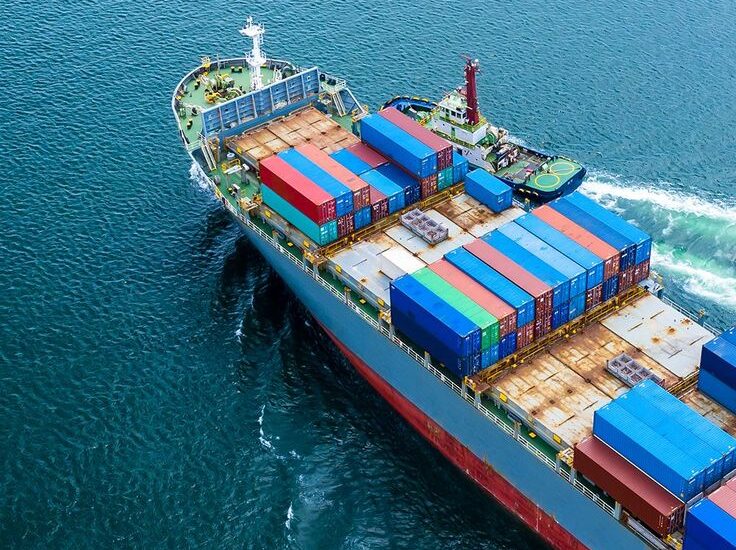
 I will admit something embarrassing. The first time my insurance broker mentioned “inland marine insurance,” I nodded along as I understood. But inside? I was picturing tugboats, shipping containers, and some guy in a raincoat yelling at seagulls. Here is the thing. That name is terrible. It is confusing. And it has probably cost a lot of small business owners real money because they assumed it did not apply to them.
But here is what I learned the hard way (well, almost the hard way). Inland marine coverage is actually one of the most practical, useful parts of a business insurance portfolio. And a shocking number of businesses that desperately need it do not have it. Let me take you on a quick history detour. It actually makes sense once you hear it.
Way back when, marine insurance policies covered goods bouncing around on ships. Then the trains showed up. Then trucks and roads. Insurers thought, “Hey, why not apply the same basic idea to stuff moving over land?” So they did. The “inland” part was just to separate land-based transit from ocean stuff.
The name never left, even though the coverage grew way beyond its original job. So no, you do not need a boat. You do not need a dock. You do not even need to live within a hundred miles of an ocean.
Inland marine insurance covers property that moves, property that is naturally mobile, or property that lives away from your main business address. Think contractors’ equipment. Medical diagnostic machines. Fine art collections. Photography gear. Construction tools. Even the data communications infrastructure. Now ask yourself a question. Does your standard commercial property insurance cover any of that once it leaves your office?
Do not be so sure. Most commercial property policies are location-specific. They protect assets at one defined address. The moment your expensive camera walks out the door for a wedding shoot, or your excavator rolls to a job site across town, your coverage might roll right along with it. Right out the window.
I talked to a contractor last year who learned this the terrifying way. Not from a loss, thankfully, but from a close call. He had two hundred thousand dollars’ worth of equipment scattered across three job sites. His property policy? It basically said “good luck” to anything not locked in his garage.
Example That Hits Close to Home: Let me paint you a picture.
A construction company owns excavators, compressors, and specialized tools worth several hundred grand. Those assets sleep at different job sites, not at some headquarters. A general commercial property policy often excludes or severely limits coverage for off-premises property. An inland marine policy slides right into that gap. It covers the equipment wherever it is used or stored. No finger crossing required.

The same logic applies to creative businesses. A film production company hauling cameras across state lines. A photography studio shooting on location. A gallery loans artwork for an exhibition. All of these have high-value mobile assets that standard property coverage never anticipated. I cannot stress this enough. That gap is real, and finding out about it after a theft or a fire is the kind of expensive lesson nobody wants to live through.
Here is an interesting twist. From the underwriting side, inland marine policies tend to be more flexible than standard commercial lines. Because the coverage gets tailored to specific property types and risk profiles, you can often get more precise protection than a generic policy provides. Premiums move around based on asset value, how portable your stuff is, and your claims history. But generally speaking, the cost of appropriate coverage feels pretty modest compared to the value you are protecting.
That said, do not just assume it is cheap for everyone. Ask for quotes. Compare. But also do not assume you cannot afford it. If your business involves valuable property that regularly leaves your primary premises, here is my simple recommendation. Ask your broker specifically about inland marine coverage. Do not let them brush you off with “you are probably fine.” Push them. Make them explain exactly what your current policy excludes once equipment goes mobile.
Because the truth is, standard business insurance was not built for the way a lot of us actually work today. We move. Our tools move. Our projects move. Our coverage should move too. So go ahead. Ask the question. You might save yourself a whole lot of headache later. And hey, now you can explain to someone else why “inland marine” has nothing to do with boats.
References
Insurance Information Institute. (2024). Inland marine insurance. https://www.iii.org/article/inland-marine-insurance
International Risk Management Institute. (2024).
Inland marine coverage overview. https://www.irmi.com/term/insurance-definitions/inland-marine-insurance
National Association of Insurance Commissioners. (2023). Commercial lines insurance overview. https://www.naic.org/index_consumer.htm