

 Posted by
 Discover what short-term disability insurance really covers, from elimination periods to income replacement, before you ever need to file a claim yourself. I never thought much about short-term disability insurance until the year I tore a ligament in my knee and could not walk, let alone sit at a desk for eight hours straight.
Before that, the phrase sounded like one of those benefits a person checks a box for during open enrollment and then forgets about, tucked somewhere between dental and vision. Funny how a single fall down a flight of stairs can turn an abstract line item into the thing standing between you and a missed mortgage payment.
Short-term disability insurance, at its core, replaces a portion of your income when you cannot work because of an illness or injury that is not work-related. I say a portion because that detail matters more than people realize. Most plans cover somewhere between fifty and seventy percent of your regular paycheck, not the whole amount, and I learned that the hard way when my first check arrived smaller than I expected. Did I budget for that gap? Not really. I assumed the insurance would simply replace my salary, which is a mistake I see other people make all the time once they finally file a disability claim of their own.
There is a waiting period attached to nearly every policy, often called an elimination period, and mine ran about seven days. Seven days without pay does not sound like much until you are the one living through it, counting hours and wondering whether your savings account can absorb the hit. I have talked to coworkers since then who assumed coverage kicked in the moment they got hurt, and I always tell them to actually read the policy document, because that assumption can leave a person scrambling at the worst possible time.
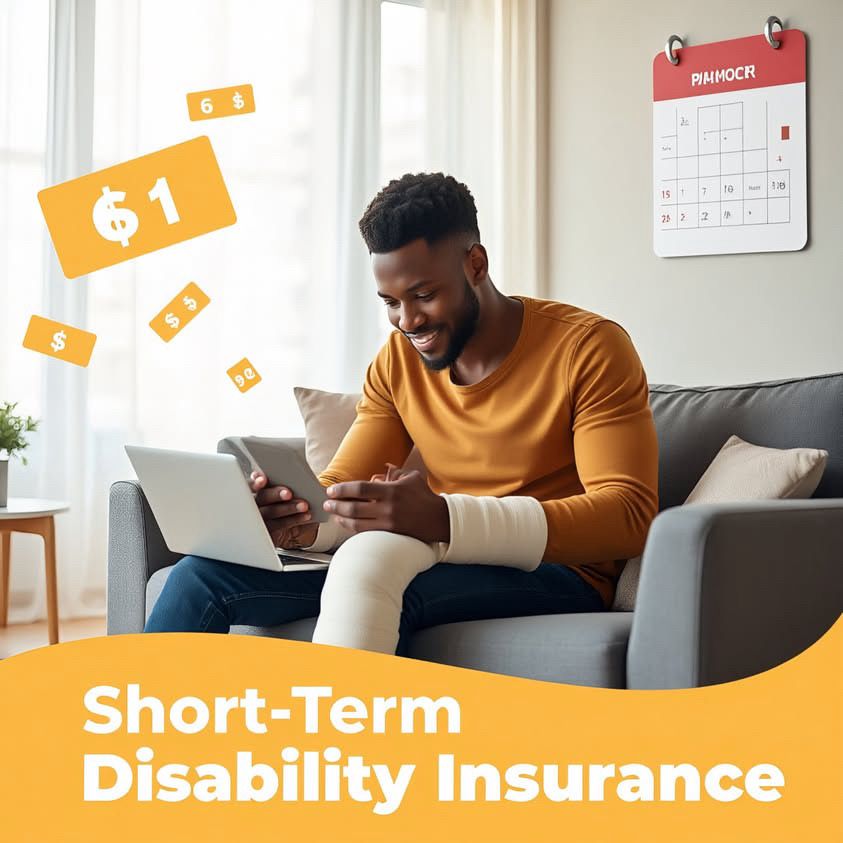
What I appreciate most about short-term disability insurance, looking back, is that it exists for situations beyond the dramatic ones. Pregnancy recovery, surgery, a bout of pneumonia that flattens you for three weeks, none of those require a workplace accident to qualify. The coverage is built around your ability to perform your job, not around how sympathetic your circumstances appear to a stranger reading a claim form. That distinction took me a while to understand, and I wonder how many people skip enrolling simply because they picture disability insurance as something reserved for catastrophic events alone.
Employer-sponsored disability coverage is the most common way people get this protection, and frankly, it is often the cheapest entry point, since group rates tend to undercut what you would pay shopping for a private disability insurance policy on your own. Still, employer plans come with limits worth understanding. Mine capped benefits at a flat number that, once I ran the math, came out lower than the standard percentage I had assumed going in. I am not saying employer coverage is a bad deal. I am saying check the fine print before you need it, not after the injury has already happened.
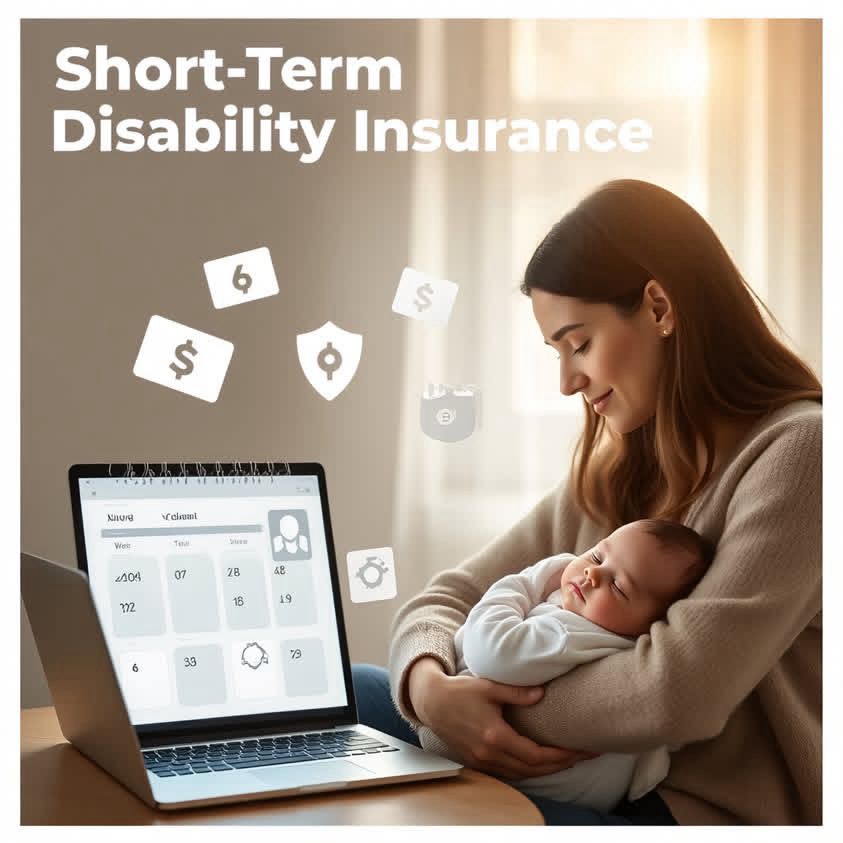
Private disability insurance enters the picture for people who are self-employed, who want benefits that follow them between jobs, or who simply want a higher income replacement ceiling than their employer offers. My cousin runs a small landscaping business and carries a private policy because, as he put it once over dinner, nobody covers him if he cannot work. Nobody, that is, except the policy he pays for every month out of his own pocket. I think about that conversation often, especially now that more people are freelancing or running small operations without a built-in safety net behind them.
Premiums depend on age, occupation, health history, and how much income replacement you are buying, so there is no single number I can hand anyone here. What I can say with confidence is that the cost of the premium almost always feels smaller than the cost of going without coverage during a real qualifying event. I learned that lesson sitting in a recliner with my leg propped up on two pillows, doing math I honestly should have done months earlier.
Open enrollment season has a way of making everything feel rushed, and short-term disability insurance is usually the form people fill out fastest, right after they skim past it. I get the instinct. Nobody wants to imagine themselves unable to work. But picturing the worst case for ten minutes a year seems like a reasonable trade for the peace of mind it buys the other fifty-two weeks.
If there is one thing I would tell my younger self, it would be to stop treating short-term disability insurance like a throwaway benefit. Read the elimination period. Understand the income replacement percentage. Decide whether employer coverage is enough on its own or whether a supplemental private policy makes more sense for your situation. None of this requires expertise, just a little patience and an afternoon spent with your benefits paperwork. I wish I had spent that afternoon before I needed the coverage instead of after, propped up on a recliner, wondering why nobody told me sooner.
Reference
Gelber, A., Moore, T. J., & Strand, A. (2017). The effect of disability insurance payments on beneficiaries’ earnings. American Economic Journal: Economic Policy, 9(3), 229–261.
Messel, M., Oluwole, T. B., & Rogofsky, D. (2022). Public knowledge about the Social Security Administration’s disability programs: Findings from the Understanding America Study. Social Security Bulletin, 82(4). https://www.ssa.gov/policy/docs/ssb/v82n4/v82n4p1.html
Morton, W. R. (2021). Access to short-term disability plans: In brief (CRS Report No. R46948). Congressional Research Service.