
 Posted by
 So I finally did it. I traded in my old gas guzzler for a shiny new electric car. And for the first three weeks, I felt like a genius. No gas stations, that instant torque, the quiet hum of what felt like the future. But then renewal season for my auto policy came around, and let me just say the future is expensive.
I am not talking about the sticker price. You expect that. What caught me completely off guard was the reality of electric vehicle insurance. I called my agent thinking it would be a simple swap. Same driver, safer car, right? Wrong. The quote came back, and I actually laughed out loud. Then I cried a little.
Why is this happening? It is not like I started street racing. The truth is, EVs are not just a new kind of car. They are a new kind of financial object, and the insurance industry is still catching up to what that means. We are basically the guinea pigs.
The basics of insuring an EV look familiar on paper. You have got your liability coverage, collision, comprehensive, and uninsured motorist. The structure is the same as any auto policy you have ever signed. But underneath that familiar structure, EVs introduce a set of risks that old-school underwriting models were not designed to handle.
Have you ever dropped your phone and cracked the screen? Imagine that feeling, but for a two-ton machine. The single biggest driver of these high premiums is the battery. I am not exaggerating when I say an EV battery pack is the most expensive component in the vehicle. We are talking between 30 and 50 percent of the car’s total value sitting right under the floorboard.
Here is the kicker. When a battery is damaged in a collision, you cannot usually patch it up like a conventional engine. In many cases, the entire unit has to be replaced. I read about a guy who hit a rock on the highway. Seemed like a minor scrape. But because it cracked the battery casing, the repair estimate was twenty thousand dollars. Twenty grand! That triggers claims that would be considered total losses on far more expensive internal combustion vehicles. Insurers price this risk into premiums, and we are the ones writing the check.
Labor costs just pile on top of the misery. I used to think a mechanic was a mechanic. Not anymore. EVs require specialized technicians for repairs. You cannot take a Tesla or a Ford Lightning to Milt’s Corner Garage down the street. Milt does not have the training, and he definitely does not have the equipment to safely handle high-voltage systems.
Because the pool of qualified shops is still relatively small compared to the existing network of conventional auto repair facilities, two things happen. First, costs rise because they can charge whatever they want. Second, claim resolution times drag out for weeks or months. Both outcomes are unfavorable for insurers and policyholders alike. You are stuck paying for a rental car while your EV sits in a shop waiting for the one guy in the county who is certified to look at it.
I have been thinking a lot about what happens when a fender bender turns into a financial nightmare, and honestly, electric vehicle insurance is not something you want to ignore until after you buy the car. There is another angle nobody told me about.
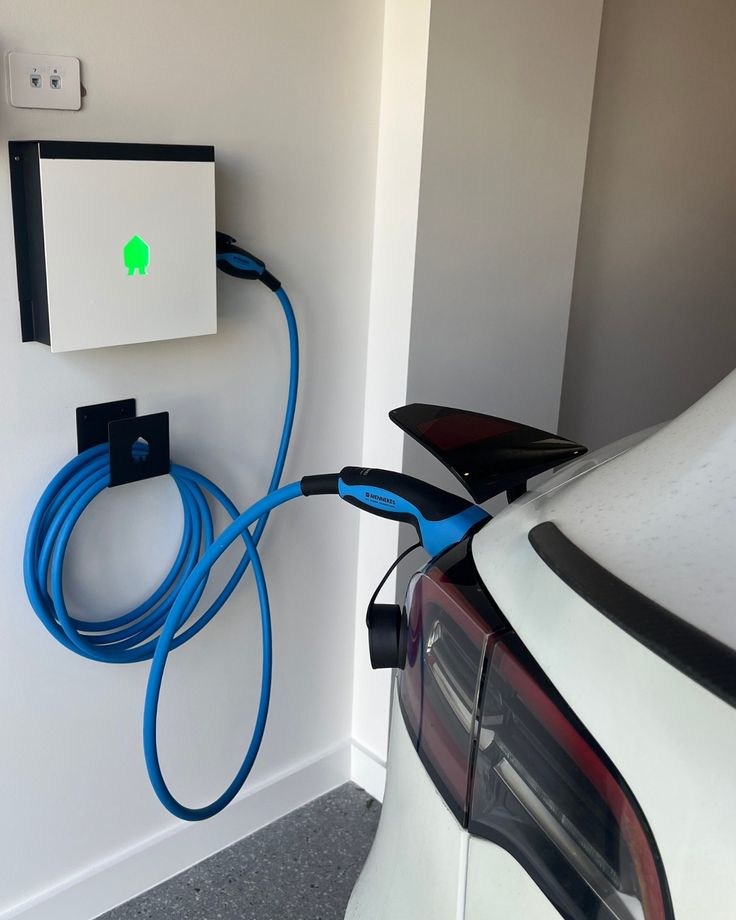
The question of charging infrastructure and home electrical systems. Some insurers now offer endorsements that cover damage to home charging equipment. Why? Because they recognize that the vehicle and its fueling system have become inseparably connected in ways that gasoline cars never were.
If your cheap wall outlet catches fire or a power surge fries your Level 2 charger, is your home policy going to cover that? Maybe. Maybe not. I had to call and add a specific rider because I realized my homeowners insurance assumed I was still filling up at Shell. It is a weird blind spot in modern coverage.
I am not trying to scare you away from electric cars. I love mine despite the headache. But I want to be real with you. The National Association of Insurance Commissioners has flagged EV insurance as an area requiring ongoing actuarial development. That is a fancy way of saying they know the math is broken right now. Historical loss data for conventional vehicles does not translate cleanly to the EV context.
As the market matures and more data accumulates, premiums should stabilize. I really believe that. But in the current moment, EV owners should expect to pay more for coverage and should comparison shop aggressively. Do not just auto-renew your policy like I almost did. Go to three different carriers. Ask about EV-specific discounts. Some companies offer breaks if you let them monitor your mileage or if you bundle your home charger.
The vehicle may be the future. The insurance market is still living in the present. And sometimes, the present just costs more than we hoped. If you are thinking about making the switch, just budget an extra hundred bucks a month for that policy. Trust me on this one.
References
National Association of Insurance Commissioners. (2023). Electric Vehicle Insurance: Issues and Trends. NAIC.
U.S. Department of Energy. (2023). Electric vehicle battery technology. Office of Energy Efficiency and Renewable Energy.
Insurance Information Institute. (2023). Electric vehicles and auto insurance. III.
Consumer Financial Protection Bureau. (2022). Auto financing trends and costs. CFPB.