
 Posted by
 Cyber insurance saved me after ransomware beat my antivirus software. Learn how coverage protects your data, business, and finances from cyber attacks. My laptop got hit with ransomware two winters ago, and honestly, I thought my antivirus software had my back the whole way through. It did not. The malware slipped past the firewall on a random Tuesday afternoon while I was just answering emails, nothing sketchy, nothing that screamed danger. Within an hour, my files were locked, and a message popped up demanding payment in crypto. I remember staring at the screen thinking, wait, is this actually happening to me? That moment is basically what pushed me toward learning about antivirus insurance, sometimes called cyber liability coverage, and I have not looked at digital protection the same way since.
So what exactly is antivirus insurance anyway? In plain terms, it is a policy that steps in when your antivirus software fails to stop a cyber attack, data breach, or malware infection. Regular antivirus programs are software tools, nothing more, and software tools can and do fail. Insurance is the financial cushion that catches you when the software does not. I used to assume that paying for a premium antivirus subscription was basically the same as being insured. It is not, not even close, and learning that distinction cost me a rough couple of weeks and a decent chunk of savings.
The way I see it now, cyber insurance coverage works a lot like health insurance for your digital life. You pay a manageable premium, and if something goes wrong, the policy helps cover the cost of data recovery, legal fees if client information gets exposed, and sometimes even the ransom itself, though I would not recommend relying on that last part. My cousin runs a small bookkeeping business from her house, and she told me once that a single data breach nearly closed her business down. She did not have cyber insurance at the time. She does now, and she brings it up constantly, almost like a public service announcement she cannot help but repeat.
Is antivirus insurance only for big corporations with server rooms and IT departments? Not anymore. Freelancers, small business owners, and even regular folks like me who just work from a home office are increasingly at risk. Hackers do not care how big your operation is; they care about vulnerabilities, and honestly, a personal laptop with saved passwords and financial documents is sometimes an easier target than a company with a dedicated security team. Cybersecurity insurance has quietly become one of those things that makes sense for almost anyone who spends real time online, which at this point is pretty much everyone I know.
Now, the coverage itself typically includes a few things worth understanding before you buy a policy. Most plans cover data breach response costs, which pay for forensic investigation and notifying anyone whose information was exposed. Many also include business interruption coverage, helping replace income lost while systems are down and unusable. Some policies extend to cover reputational harm, funding public relations efforts after a breach becomes public knowledge, which honestly surprised me the first time I read it in the fine print. And a decent number of plans reimburse the cost of restoring or replacing corrupted software and hardware, which was the part that mattered most to me personally after my own ransomware scare.
I will admit, shopping for antivirus insurance felt confusing at first. Every provider used slightly different terminology, and the fine print seemed to stretch on forever. What helped me was calling an actual agent instead of just clicking through an online quote form. I asked a lot of questions, probably too many, about deductibles, exclusions, and whether social engineering scams like phishing were included or treated separately. Turns out phishing is often excluded unless you specifically request that add-on, which feels like something more people should know before they assume they are fully covered.
Premiums vary quite a bit depending on how much data you handle and how sensitive it is. A freelance graphic designer is not going to pay the same rate as someone managing medical records or financial accounts. Still, even the most basic plans I found were far cheaper than what I paid out of pocket after my own malware incident. Funny how a few hundred dollars a year suddenly feels reasonable once you have lived through the alternative.
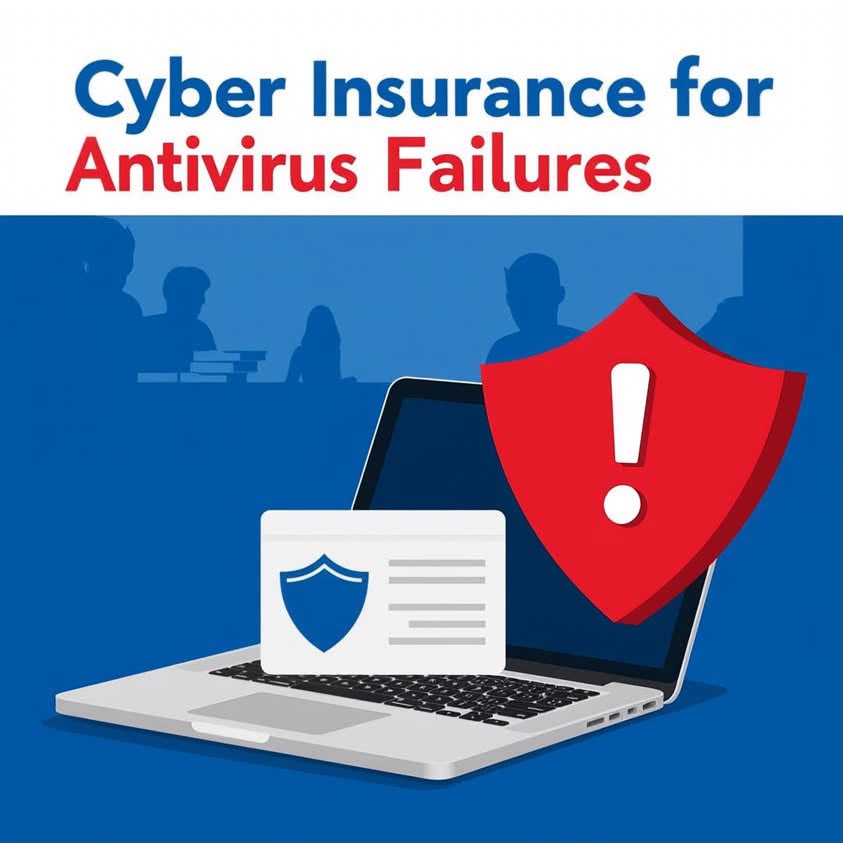
Do I think everyone needs antivirus insurance right this second? Probably not everyone, but if you store sensitive client information, run any kind of online business, or simply keep financial documents on a device connected to the internet, it is worth a serious look. Malware protection insurance, ransomware coverage, whatever term a provider uses, they are all circling the same core idea: that software alone cannot promise safety. I learned that lesson the hard way, and honestly, I would rather other people learn it from a blog post than from a blackmail message on their screen as I did.
These days, I keep both my antivirus software updated and my cyber insurance policy active, because relying on just one felt like walking a tightrope without a net. Cyber threats are not slowing down anytime soon, and neither is my determination to never feel that particular kind of panic again.
Reference
Cybersecurity and Infrastructure Security Agency. (2024). 2024 year in review. U.S. Department of Homeland Security. https://www.cisa.gov/about/2024YIR
Cybersecurity and Infrastructure Security Agency. (2025). Small and medium businesses. U.S. Department of Homeland Security. https://www.cisa.gov/audiences/small-and-medium-businesses
MacColl, J., Nurse, J. R. C., & Sullivan, J. (2024). Cyber insurance and the ransomware challenge. Journal of Cybersecurity, 10(1), Article tyae026. https://doi.org/10.1093/cybsec/tyae026